
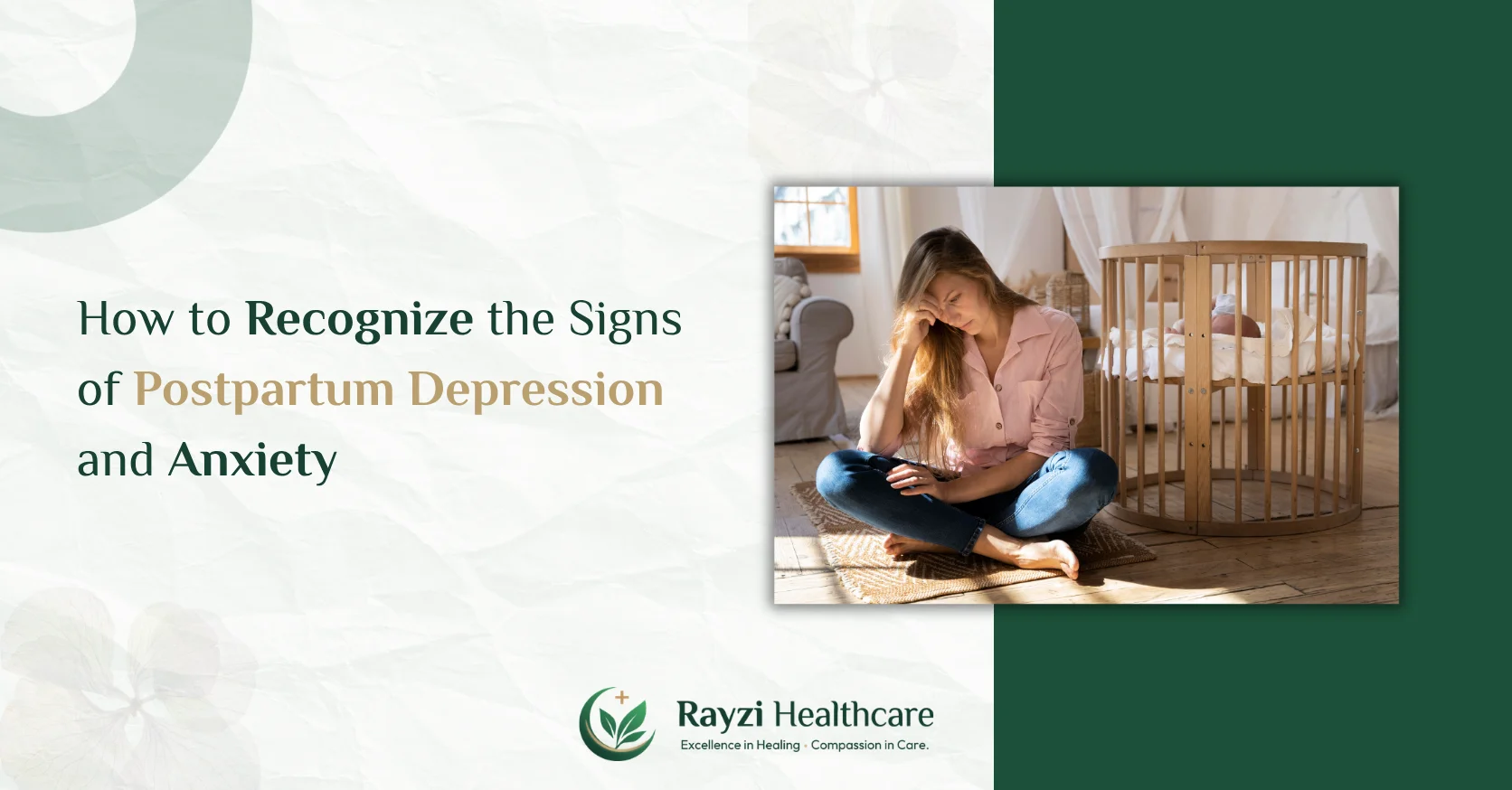
They all tell you that the difficult part is delivery. No one tells you those weeks after, though, when the adrenaline has worn off, and you’re home with a baby, people urging you just to be grateful and you don’t really feel right about much of anything. Heavy. Disconnected. Or terrified in a way that you can’t even begin to describe to anybody without sounding insane.
Many women languish in that space for months before confiding their experience. Some never do. And by the time they do actually mention it, they’ve been pretending it’s just tiredness, or overwhelmedness, or ‘it will take time to adjust’ when in fact what they’ve been dealing with was something that had a name and treatment all along.
First: The Baby Blues Are Not This
The second that the placenta comes out, estrogen and progesterone crash and burn. That hormonal drop can lead to crying, mood changes, irritability and emotional swings that feel disconnected to anything specific and can affect as many as 80 percent of new mothers. You know those feelings, the ones referred to as the baby blues – most of us go through them and they are extremely common and extraordinarily transient. Usually it’s vanished in a fortnight.
Postpartum depression is something else. It doesn’t lift at two weeks. Months get heavier or worsen. It is clinically diagnosed as a peripartum onset major depressive episode, which can occur during pregnancy or just days and weeks following delivery. Many providers use the one-year postpartum window because symptoms can manifest later than the typical four-week textbook timeframe.
As many people recognize, it is having a mother who just can not function; what catches most people out with postpartum depression is that it does not always present itself as this type of image. Postpartum depression translates into women who are fully functioning. Getting the baby fed. Answering texts. All looking fine for people across. What’s going on at the internal level is of another nature.
What to Look For
- Mood that is low most of the time and doesn’t shift even during the moments that should feel good
- Feeling numb, like you’re watching everything from behind glass
- No appetite or eating way more than usual
- Sleep problems that are not explained by the baby’s schedule
- Feeling detached from the baby, going through the motions without feeling it
- Convinced you’re failing as a mother, or that your baby deserves better
- Pulling away from your partner, family, people you’d normally want around
- Thoughts of harming yourself or the baby
That last one: if those thoughts are there, please reach out to a provider or call or text 988 right now. Intrusive thoughts of this kind are a psychiatric emergency, not something to sit with alone.
Postpartum Anxiety Gets Missed Even More
Postpartum anxiety occurs in about 15 to 20 percent of new moms, making it as common as postpartum depression. In contrast, far less gets screened. Standard postpartum screening tools evaluate for depression, leaving anxious mothers to depart from checkups without anyone flagging what they are experiencing.
Postpartum anxiety never even feels like worry. Sometimes it feels dread without a target. Having this low-grade feeling in their gut that something bad is going to happen. Not being able to fall asleep when the baby is sleeping because your brain won’t shut up.
- Checking on the baby repeatedly through the night even when the monitor is on
- Thoughts about something terrible happening to the baby that you can’t turn off
- Racing heart, tight chest, nausea that doesn’t have a physical explanation
- Avoiding anything that feels like a risk, even normal daily things
- Snapping at people, a short fuse that wasn’t there before
- Never feeling able to relax, even when nothing is actively wrong
Running on dread instead of depression is still something that needs attention. The label matters less than getting the right help.
Why Nobody Catches It
New mothers expect to be exhausted and overwhelmed. They’ve been told it’s hard. So when postpartum depression or anxiety shows up, it blends right into the general texture of having a newborn and nobody, including the mother herself, realizes it’s crossed into something clinical.
And there are all the things that don’t get said.
You feel guilty for admitting you are not bonding with your baby, that you feel nothing when holding them, or that you fear being the wrong person for this, which makes it seem unsafe. Like someone would take the baby. Or think you’re a bad mother. All of that fear bottled a lot of women up for much longer than in a very long time.
It happens often that partners miss it too, since the woman keeps functioning and taking care of the baby. You can’t tell what’s inside her unless she speaks, and often doesn’t.
Factors That Increase the Chances
- Past or family history of depression, anxiety, or mood disorders
- Traumatic or complicated birth
- Newborn in NICU or birth complications
- Little support at home
- Major stress during pregnancy
- Previous pregnancy loss
- Thyroid problems, which can produce symptoms that overlap almost exactly with postpartum depression
Treatment Works
Therapy alone handles mild to moderate cases well. Cognitive behavioral therapy and interpersonal therapy both have real research behind them for postpartum mood disorders specifically.
Medication is an option too. Sertraline and paroxetine have decades of postpartum use behind them and very low transfer into breast milk, which matters for mothers who are breastfeeding. A provider experienced in perinatal mental health will go through the options with you based on your specific situation, how severe your symptoms are, whether you’re breastfeeding, and your history.
Waiting it out is the most common approach people take. It’s also usually the slowest path back.
Rayzi Women’s Center Is Built for This
Rayzi Women’s Center at Rayzi Healthcare has a focused interest in perinatal and postpartum mental health. Dr. Rasheedah Adewumi, DNP, PMHNP-BC, is a Board-Certified Psychiatric Mental Health Nurse Practitioner who specializes in women’s mental health and hormonal mood disorders.
We offer in-person appointments in Houston and telehealth for women who need more flexible access.
If for a few weeks you still don’t feel like yourself, then that is more than enough reason to make the call.
Phone – (832) 675-9429
Women’s Center –rayziwomenscenter@gmail.com
Location – 6671 Southwest Freeway, Houston, TX 77074
Website – rayzihealthcare.org


No comment